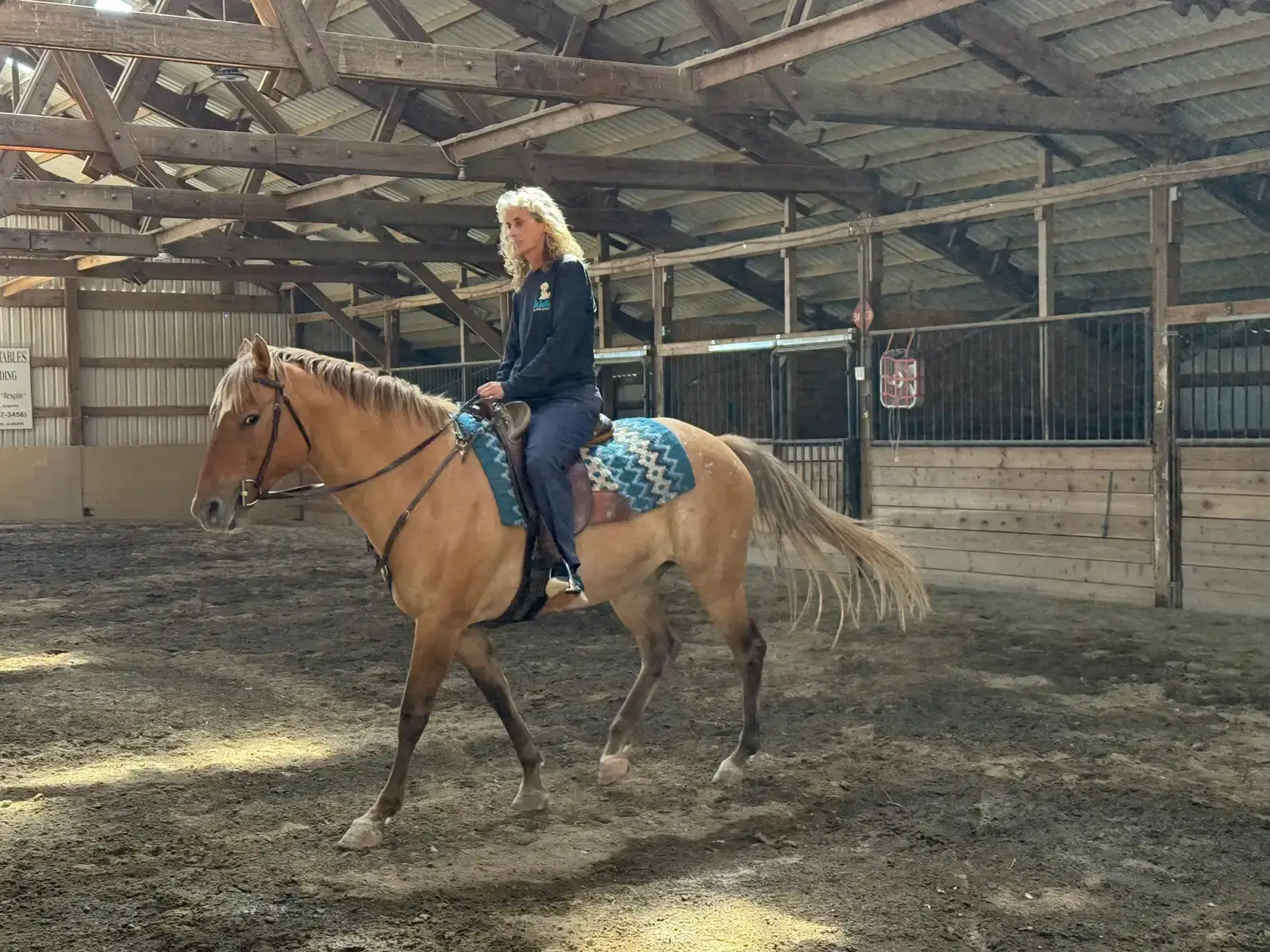
Mona and crew were very welcoming. If you are traveling alone they are on hand and willing to assist with equine handling.
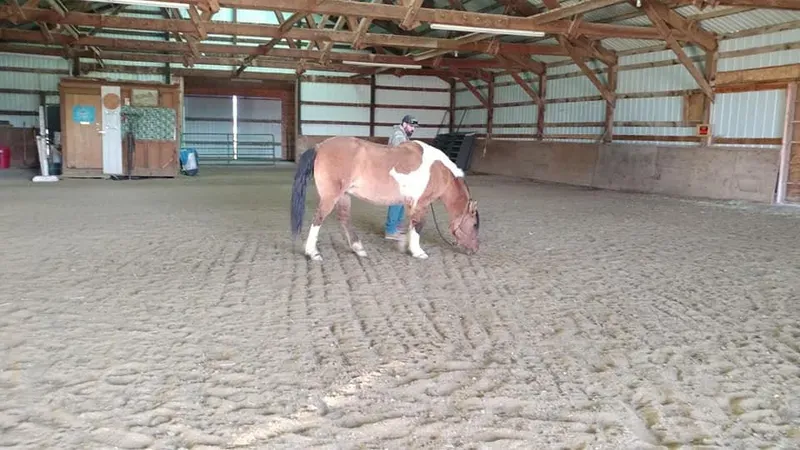
Our ServicesServing Rupert
Hoof Care and Treatment in Rupert, ID
Hoof care and treatment means we continue your farrier's or vet's treatment plan while your horse boards, keeping the hoof clean, dry and watched daily.
Rated 4.9 on Google
- Areas served
- Rupert and surrounding areas
- Contact
- Call (208) 312-4322
What's Included
- Ongoing hoof condition monitoring
- Treatment application and maintenance
- Coordination with your farrier or vet
- Clean, dry stall environment for healing
- Daily care and observation
Hoof Care and Treatment Available In
We offer hoof care and treatment to customers across the region. Tap any area for full local details.
Related Services
View all →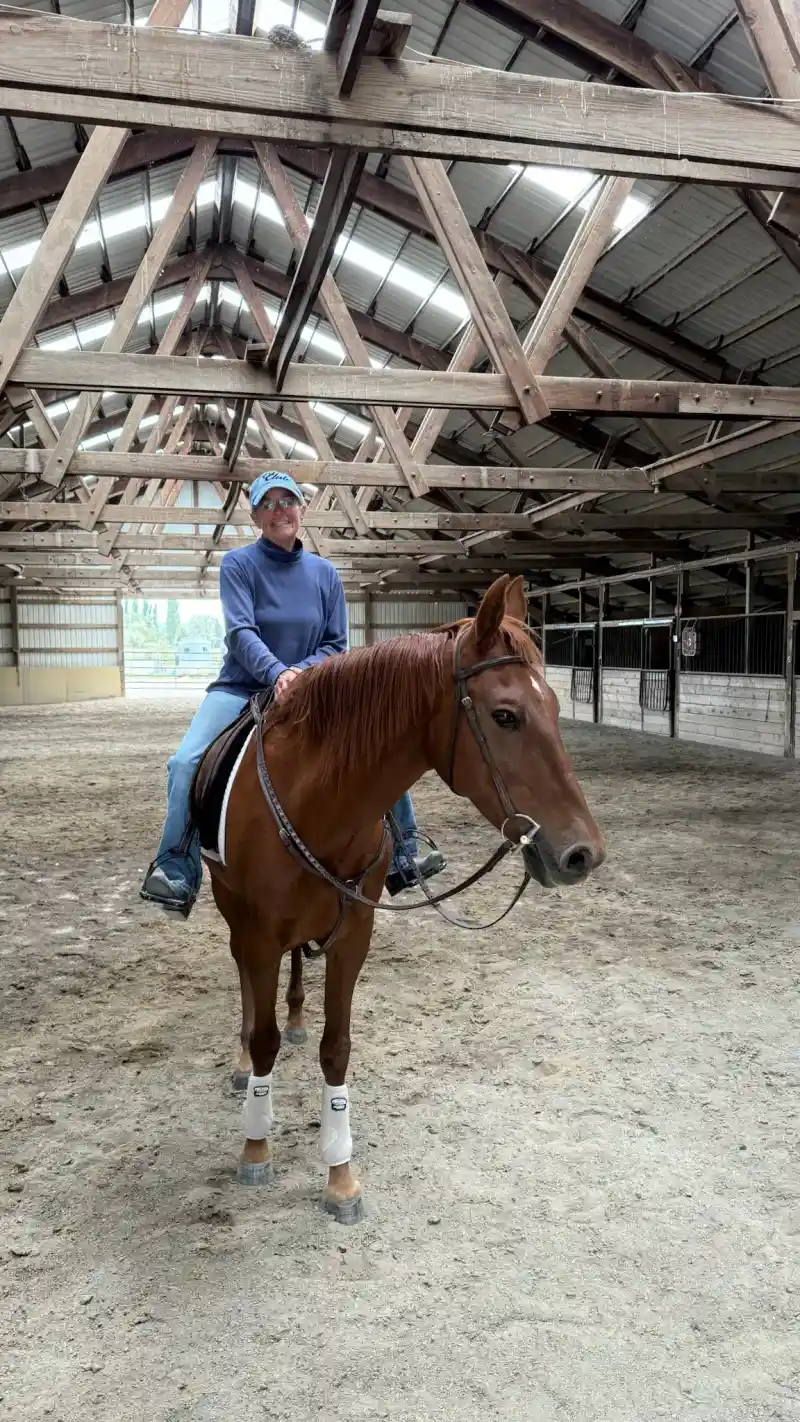
Horse Boarding
Full-care boarding with indoor and outdoor stalls. We handle daily feed, water, turnout, and basic care. Suitable for long-term boarders and travelers needing overnight accommodation.
Learn more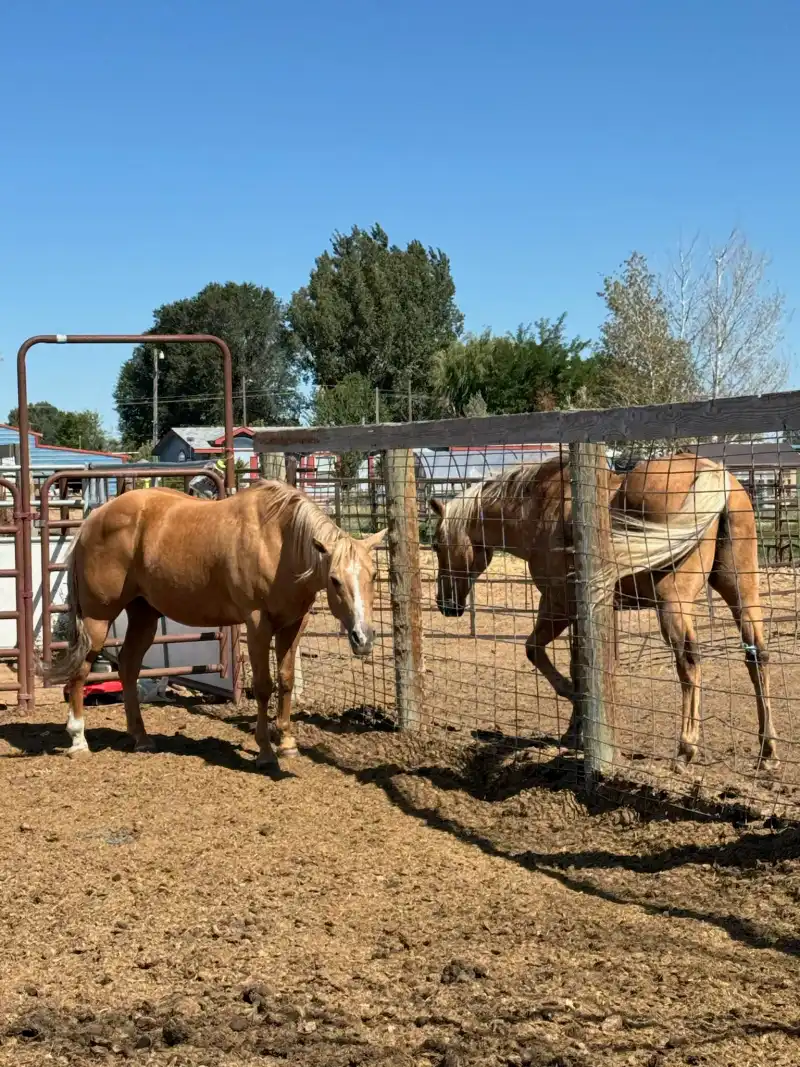
Overnight Stays
Safe, comfortable overnight boarding for traveling horses and riders. Plenty of room for horse trailers and rigs. Paperwork verification included. Open 24 hours to accommodate your arrival and departure.
Learn moreAbout Hoof Care and Treatment
Common questions and tips from our work with Rupert customers.
- What is canker in a horse's hoof?
- Canker is an infection of the hoof tissue, usually starting around the frog. It often looks like moist, cauliflower-like growth with a strong smell, and it can be mistaken for thrush at first. Canker needs a treatment plan from your veterinarian and farrier, often with trimming away the bad tissue, medication and careful bandaging. It takes steady, daily care to clear up.
- Why does a treated hoof need to stay dry?
- Moisture softens hoof tissue and gives bacteria and fungus a place to grow. A wet hoof can undo the work of trimming and medication, and wet bandages can trap dirt against the sore spot. Keeping a horse in a clean, dry stall and changing wraps when they get damp gives the hoof its best chance to heal.
- What should I bring for hoof treatment while boarding?
- Bring the written treatment plan from your vet or farrier, the medications and wraps your horse uses, and clear notes on how often each step happens. Include phone numbers for your vet and farrier so we can reach them with questions. If the plan changes during the stay, let us know so the care stays on track.
Tip
Learn the Early Signs of Hoof Trouble
Pick out your horse's feet often and pay attention to what you see and smell. A foul odor, black discharge, heat in the hoof, a strong pulse at the back of the pastern, or a shorter stride can all signal a problem. Catching it early usually means simpler treatment, so call your farrier or vet as soon as something seems off.
FAQ
FREQUENTLY ASKED QUESTIONS
Yes. We have plenty of space for horse trailers and rigs to turn around and park. The parking area is designed for larger vehicles, and we can accommodate travelers staying overnight. Call us to confirm space availability for your arrival date.
Bring your horse's paperwork, health records, and any medications. We check paperwork as part of our admission process. If your horse has special feed, we can accommodate that. Ask about what else to arrange when you call.
Yes. If your horse is receiving hoof treatment, we can continue care while boarding. Bring documentation of the treatment plan and any supplies needed. We work with your farrier or veterinarian to keep the schedule and make sure the hoof stays clean and dry.
We offer both indoor and outdoor arena use, as well as an outdoor round pen, for boarders and overnight guests. You can ride, lunge, or work your horse in any of them. Ask about availability when you call.
Yes. We are open 24 hours, seven days a week. Staff is on hand to check you and your horse in at any time, day or night. Call when you are about an hour away so we can prepare your stall.
Pricing depends on the type of stall, length of stay, and any special care your horse needs. Call us at (208) 312-4322 for a quote tailored to your horse and your situation.
We are located in Rupert, Idaho, and serve travelers and boarders throughout the region. We are a convenient stop for horses and rigs traveling cross-country or relocating in the area. Call for details on boarding options.
Still have questions? Contact Us